Pineapple Embroidery Design Review
First Impression: Friendly, Vibrant, and Instantly Recognizable
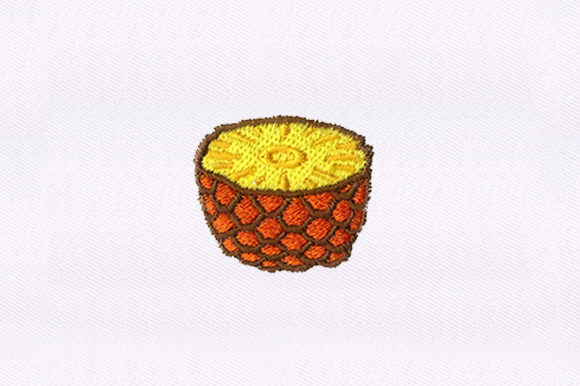
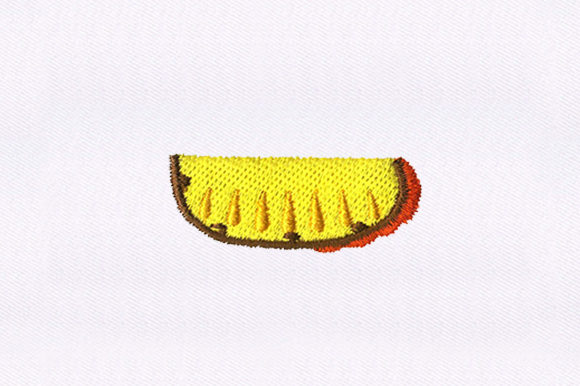
As an embroidery designer who’s developed hundreds of designs for small businesses—from neighborhood bakeries to indie florists—I opened Pineapple expecting a playful food motif. What I found was more: a clean, confident machine embroidery design that balances charm with professionalism. It doesn’t lean into cartoonish exaggeration or overly stylized abstraction. Instead, Pineapple reads as warm, approachable, and subtly premium—ideal for brands that want to signal craft, freshness, and personality without sacrificing polish. Whether you’re a café owner stitching it onto aprons or a handmade soap brand adding it to tote bags, this design feels intentional, not decorative.
Real-World Business Performance Across Merch Categories
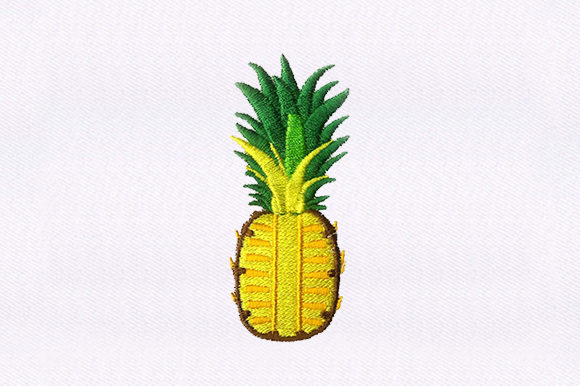
Pineapple excels where many food-themed embroidery files fall short: versatility in scale and surface. As an embroidered patch (2.5"–3.5"), it holds crisp detail—especially the textured crown and defined scale pattern—without excessive stitch density. That means fewer thread breaks on commercial machines and better durability through repeated laundering. On staff uniforms and aprons, it reads clearly at chest level and maintains legibility even when stitched on midweight cotton twill or poly-cotton blends.
For cap embroidery, the shape adapts well to front panels—its vertical orientation avoids awkward stretching, and its balanced weight distribution minimizes puckering. On tote bags and reusable produce sacks, Pineapple serves as both a functional logo and a tactile brand cue; customers remember how it *feels* under needle and thread—not just how it looks. As a sleeve accent or pocket detail on work shirts, it adds quiet distinction without overwhelming the garment. And for boutique merchandise—think branded tea towels, linen napkins, or ceramic jar labels—the design translates seamlessly into printable mockups, helping Etsy sellers and local shops visualize cohesive product lines before stitching a single seam.
Where to Use Pineapple Thoughtfully
While Pineapple is broadly adaptable, smart placement matters. Avoid scaling it below 1.75" for embroidered patches—it begins to lose definition in the crown texture and outline clarity, especially on dark uniforms where contrast drops. Cap fronts with tight curvature (like low-profile structured caps) benefit from slight digitizing tweaks—check that the base curve aligns smoothly with the fabric contour before finalizing your hoop size. On highly textured fabrics (burlap, heavy canvas, or looped terry), use medium-cutaway stabilizer and reduce top tension slightly to prevent thread nesting.
Also note: Though Pineapple has no lettering, its visual complexity means high stitch density in the core area. If pairing it with text-based logos or taglines on the same garment, allow generous spacing—never crowd it within ¼" of another element. And while it performs well on light-to-mid fabrics, test thread colors rigorously on dark substrates. A rich gold or sunflower yellow often lifts the design more effectively than stark white, which can appear flat or shadowed.
How Pineapple Strengthens Brand Identity and Customer Trust
In small business merch, consistency isn’t just aesthetic—it’s credibility. Pineapple delivers visual continuity across touchpoints: a cap worn by baristas, a tote carried by customers, an apron tied behind a counter. That repetition builds subconscious recognition—and recognition builds trust. When your bakery’s “Pineapple” appears identically sharp on a staff uniform and a limited-edition gift bag, customers perceive intentionality, care, and operational reliability.
It also elevates perceived value. Unlike generic clipart-style fruit icons, Pineapple carries the nuance of hand-digitized intent—clean underlay, balanced satin columns, thoughtful pull compensation. That craftsmanship reads as premium, even on budget-friendly items like cotton totes or unlined patches. For handmade product sellers, it reinforces authenticity: this isn’t mass-produced filler; it’s a considered design asset that supports your story, whether you’re a tropical-themed pet brand or a coastal ceramics studio.
Practical Designer Notes for Small Business Use
Before stitching Pineapple into production:
- Test in black and white first—verify outline integrity and internal spacing without color distraction.
- Check minimum viable size: stitch a 2" version on scrap fabric matching your final substrate. Does the crown retain texture? Is the base stable?
- Review thread color contrast on your target fabric—especially if using dark or heathered materials.
- Inspect spacing and isolation: ensure no elements bleed into adjacent seams, pockets, or embroidery zones.
- Confirm hoop size compatibility—the design must fit comfortably within your machine’s standard hoop dimensions without re-hooping mid-stitch.
- Test on real fabric, not just tear-away stabilizer alone. Layer with appropriate cutaway or fusible backing for stability.
- Create a client-facing mockup—a clean digital preview helps small business owners approve confidently before production begins.
- Compare beside existing design assets: does Pineapple harmonize with your current logo, typography, and brand palette?
- Verify commercial licensing—since this is a digital embroidery file intended for small business merch, confirm usage rights cover resale, promotional items, and customer-facing apparel.
Finally, remember: Pineapple is more than a food-themed embroidery file. It’s a flexible, scalable brand amplifier—one that works quietly but powerfully across aprons, caps, totes, and product packaging to reinforce what your business stands for: warmth, quality, and memorable human connection. Whether you're launching your first Etsy shop or refreshing a decade-old boutique’s identity, this machine embroidery design earns its place in your core design assets—not as filler, but as foundation.